

Daylight is a crucial element in architectural design, influencing not only the visual appeal of a space but also its practicality and sustainability. As designers aim to create spaces that are both welcoming and efficient, understanding how to harness natural light becomes essential. Daylight Analysis Street Somerset has emerged as a key process in assessing how light works with buildings, allowing architects to improve design decisions that enhance resource efficiency, occupant comfort, and overall well-being.
In this exhaustive guide, we will investigate the various aspects of daylight analysis, from its core principles to its advanced applications in contemporary architecture. By analyzing key ideas such as daylight factor, spatial daylight autonomy, and climate-based daylight modeling, we will illuminate the ways in which successful daylight methods can change retail and home buildings alike. Through a detailed look at the tools and methodologies available for daylight simulation, architects can become more capable to create spaces that not only fulfill but go beyond contemporary standards for environmental responsibility and user satisfaction.
Grasping Natural Light Analysis
Daylight assessment is a crucial process in building design that evaluates how daylight interacts with a building's indoor areas. It entails evaluating the amount, quality, and distribution of natural light within a space, which can significantly influence both aesthetic appeal and occupant well-being. By examining natural light, architects can create settings that maximize daylight while reducing glare and enhancing overall comfort.
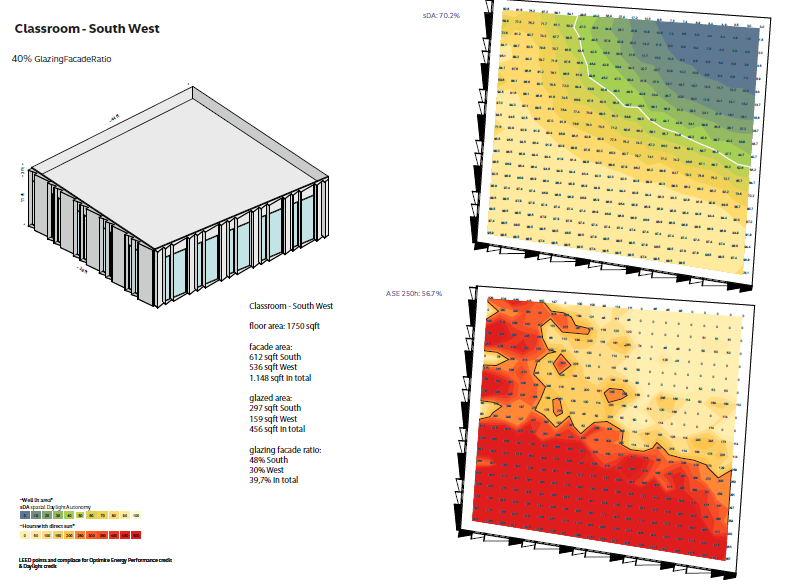
Incorporating natural light evaluation into the design procedure not only contributes to the aesthetic worth of a space but also serves a pivotal function in improving energy efficiency. With the growing recognition of eco-friendliness, architects utilize natural light to reduce reliance on artificial lighting, leading to lower power consumption and operational expenses. This factor is particularly important in commercial buildings, where efficient light management strategies can lead to considerable cost reductions over the structure's lifetime.
Moreover, natural light analysis acts as a basis for attaining green construction accreditations, such as Leadership in Energy and Environmental Design and Building Research Establishment Environmental Assessment Method. These standards emphasize the importance of natural light in creating healthy, sustainable settings. By incorporating daylight evaluation early in the planning procedure, designers can guarantee their projects meet environmental criteria while enhancing occupant satisfaction and well-being through thoughtfully designed spaces that make use of natural light efficiently.
Improving Energy Effectiveness
Natural light study plays a critical role in enhancing energy efficiency, particularly in commercial buildings. By improving ambient light use, architects can greatly minimize dependence on artificial lighting. With accurate models, it is possible to anticipate how natural light enters spaces throughout different seasons of the year. This understanding facilitates the design of adaptive lighting systems that can adjust based on the quantity of available daylight light, leading to decreased energy consumption and operating costs.
Integrating daylight analysis into the initial design stage helps confirm that the configuration and positioning of the structure maximize daylight access. Strategic placement of glazing and the use of reflectors can spread sunlight further into areas, lowering the need for supplementary lighting. This also reduces expenditures but also enhances the comfort and productivity of users, showing that eco-friendly design can align with user experience.
Moreover, natural light analysis aids compliance with energy performance criteria and certifications such as LEED and Building Research Establishment Environmental Assessment Method. By illustrating effective natural light utilization, buildings can earn recognition, further promoting energy-efficient design. As architects and designers increasingly embrace these daylighting strategies, the influence on overall efficiency becomes clear, contributing to both minimized environmental footprints and long-term financial savings.
Natural Light Metrics and Tools
In the field of natural light analysis, understanding the key metrics is essential for architects seeking to enhance natural illumination in their projects. Metrics such as Daylight Factor (DF) and Spatial Daylight Autonomy (sDA) provide critical insights into how much natural light enters a space. DF calculates the ratio of indoor illuminance to outdoor illuminance under overcast sky conditions, while sDA evaluates the percentage of the space that meets minimum daylight standards throughout the year. Daylight Analysis Nailsea Somerset help architects confirm that buildings not only get adequate ambient light but also reduce energy consumption.
A variety of instruments are available to assist architects in performing thorough daylight analysis. Software such as Luminaire, Climate Studio, and Insight provide robust functions for simulating and visualizing daylight scenarios. Radiance is known for its accuracy in illumination simulation, making it perfect for complex daylight analyses. ClimateStudio’s integration with Rhino allows for an user-friendly process, while Analyzer provides user-friendly platforms for initial design. Each instrument has its unique advantages, and selecting the right one depends on the specific needs of the project and the level of specificity required.
In addition to these instruments, incorporating metrics like ASE and UDI can further refine daylight assessment. Daylight Analysis Wells Somerset measures the quantity of solar radiation that hits a surface during the year, aiding in comprehending glare and thermal implications. UDI evaluates daylight quality and amount, making sure areas stay pleasant without excessive dependence on man-made lighting. By utilizing these advanced metrics and instruments, architects can enhance their projects, achieving a balance between aesthetics, function, and sustainability in their structures.