

In the realm of modern architecture, the interplay between ambient light and building design has never been more crucial. As sustainability becomes a top priority, architects are increasingly turning to daylight analysis as a powerful tool to enhance both the artistic and functional aspects of their creations. Grasping how to effectively harness daylight can lead to enhanced energy efficiency, boosted occupant well-being, and a more harmonious relationship between built environments and their surrounding surroundings.
Daylight analysis offers a comprehensive approach to assessing how natural light flows into and functions with spaces throughout the day and year. By incorporating Daylight Analysis Nailsea Somerset as daylight modeling and climate-based daylight modeling, architects can make informed decisions that not only meet building code standards but also improve the design of living and working spaces. This guide will navigate the key elements of daylight analysis, exploring its application in maximizing daylight influx while ensuring thermal comfort and minimizing light spill. Whether you are an novice architect or a veteran professional, this investigation into daylight analysis will reveal best practices and innovative strategies that shape the future of sustainable architecture.
Understanding Daylight Evaluation
Natural light evaluation is a crucial aspect of building design that concentrates on the evaluation of natural light within a space. It comprises various methodologies and tools to assess how sunlight affects buildings over the daily cycle and across multiple seasons. By understanding how daylight enters and moves within a structure, architects can design environments that maximize natural light, elevate occupant comfort, and decrease reliance on man-made light. This evaluation does not only augment aesthetics but also greatly contributes to efficient energy use and general sustainability within the built environment.
One of the main components of daylight analysis involves measuring multiple parameters of natural light, like daylight factor, spatial daylight autonomy, and useful daylight illuminance. Each metric helps architects and designers comprehend the light availability in a setting, allowing for informed decisions regarding window placements, sizing, and other design features that affect light quality and distribution. Embedding these measurements at preliminary design stages leads to improved design outcomes and compliance with sustainability standards such as LEED and BREEAM.
Additionally, daylight analysis plays a vital role in ensuring occupant well-being and comfort. Studies has shown that natural light favorably affects mood, productivity, and overall health. By employing Daylight Analysis Yeovil Somerset modeling techniques, architects can develop spaces that enhance these benefits, such as creating classrooms with optimal light exposure for students or designing healthcare facilities that support healing through natural light. As architects increasingly prioritize health and sustainability, the importance of thorough daylight analysis is highlighted in current building design.
Main Resources and Techniques
Natural light analysis depends on multiple set of resources and approaches to analyze daylight light in architectural design. Software like the Radiance tool, the ClimateStudio application, and Insight software deliver cutting-edge simulation capabilities, allowing architects to visualize and examine the impact of daylight on architectural interiors. All tool has unique attributes, making it crucial to select the one that most suits the project's particular demands. For instance, Radiance is known for its precision in depicting complex lighting scenarios, while the ClimateStudio application offers accessible interfaces for merging daylight analysis with other building performance metrics.
Techniques such as Climate-Based Daylight Modeling (CBDM) are essential in this field, permitting designers to design environments that maximize visual comfort and decrease dependence on man-made lighting. CBDM evaluates sunlight availability throughout the year, helping architects to anticipate how light levels will change with seasonal shifts. By employing historical climate data, architects can tailor their designs to enhance natural light use while minimizing glare and overheating concerns.
In addition to software tools, mathematical calculations like the Daylight Factor and the Spatial Daylight Autonomy (sDA) serve as references for assessing daylight in areas. These standards help designers grasp the efficacy of their daylighting strategies and their impact on energy efficiency and resident wellbeing. By integrating these instruments and approaches early in the design workflow, architects can create environments that not only meet aesthetic goals but also support sustainability and occupant health.
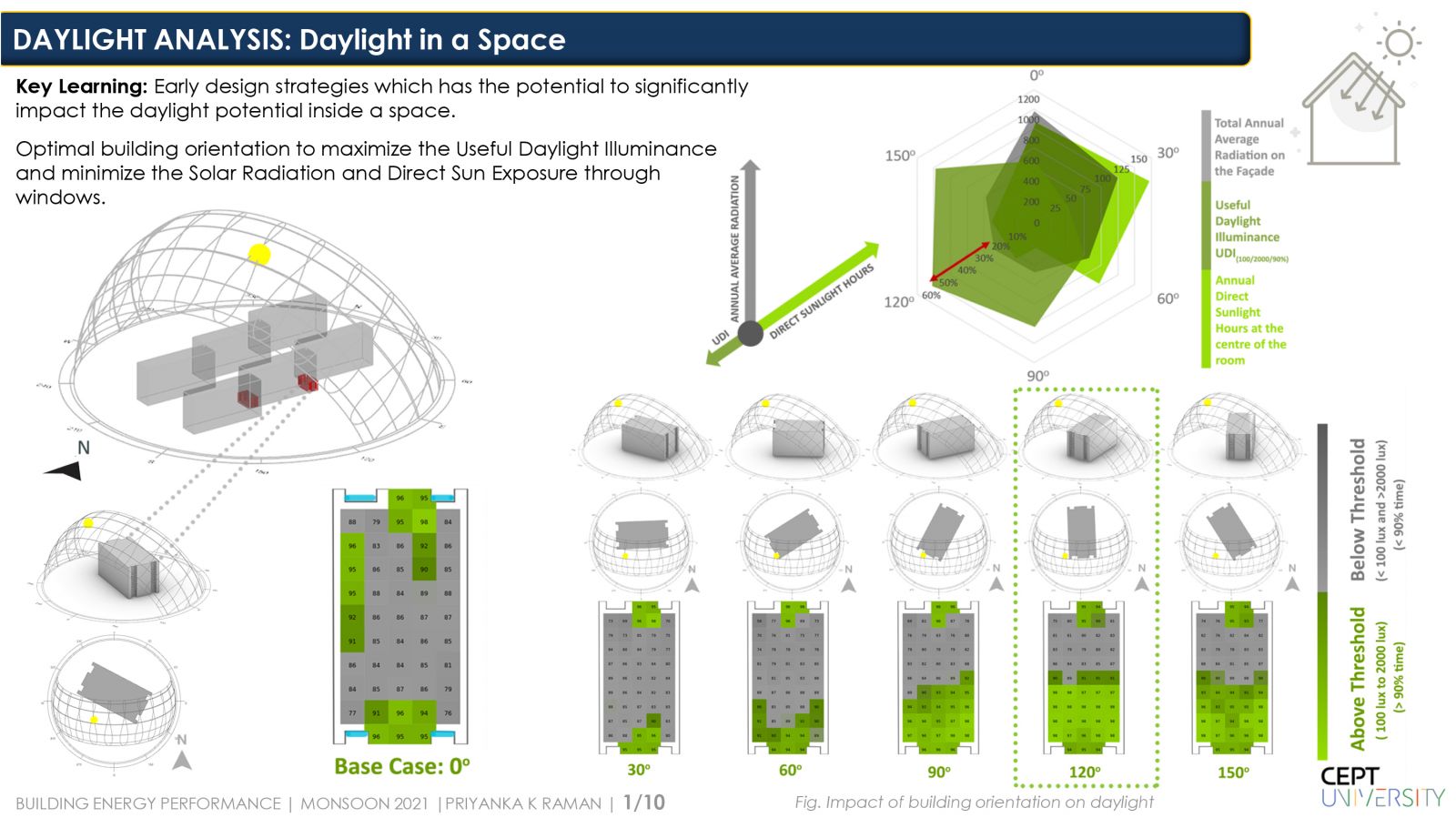
Implementation in Eco-Friendly Architecture
Daylight analysis plays a vital role in eco-friendly architecture by reducing reliance on synthetic lighting and enhancing energy efficiency. By grasping how ambient light connects with a building's architecture, architects can strategically place windows and other openings to increase daylight infiltration. This method not only reduces energy use but also contributes to a more pleasant indoor environment. The proper use of daylight helps create spaces that are visually appealing and support the comfort of users.
Including daylight assessment into the planning process aids achieving green building certification standards such as LEED and Building Research Establishment Environmental Assessment Method. These standards evaluate energy performance, occupant comfort, and resource efficiency, where suitable daylighting strategies can directly influence outcomes. By analyzing factors like daylight factors and spatial daylight autonomy, architects can ensure that their designs meet or exceed the necessary criteria for sustainable certifications, ultimately diminishing the building's carbon footprint.
Furthermore, daylight analysis encourages forward-thinking design solutions that incorporate biophilic elements, enhancing occupants' connection to the natural environment. By optimizing natural light and utilizing features like light shelves and dynamic shading systems, architects can create more beneficial indoor environments that support circadian rhythms and overall well-being. This concentration on natural light not only boosts user contentment but also harmonizes with broader aims of sustainability, making a convincing case for applying daylighting techniques in contemporary architectural methods.