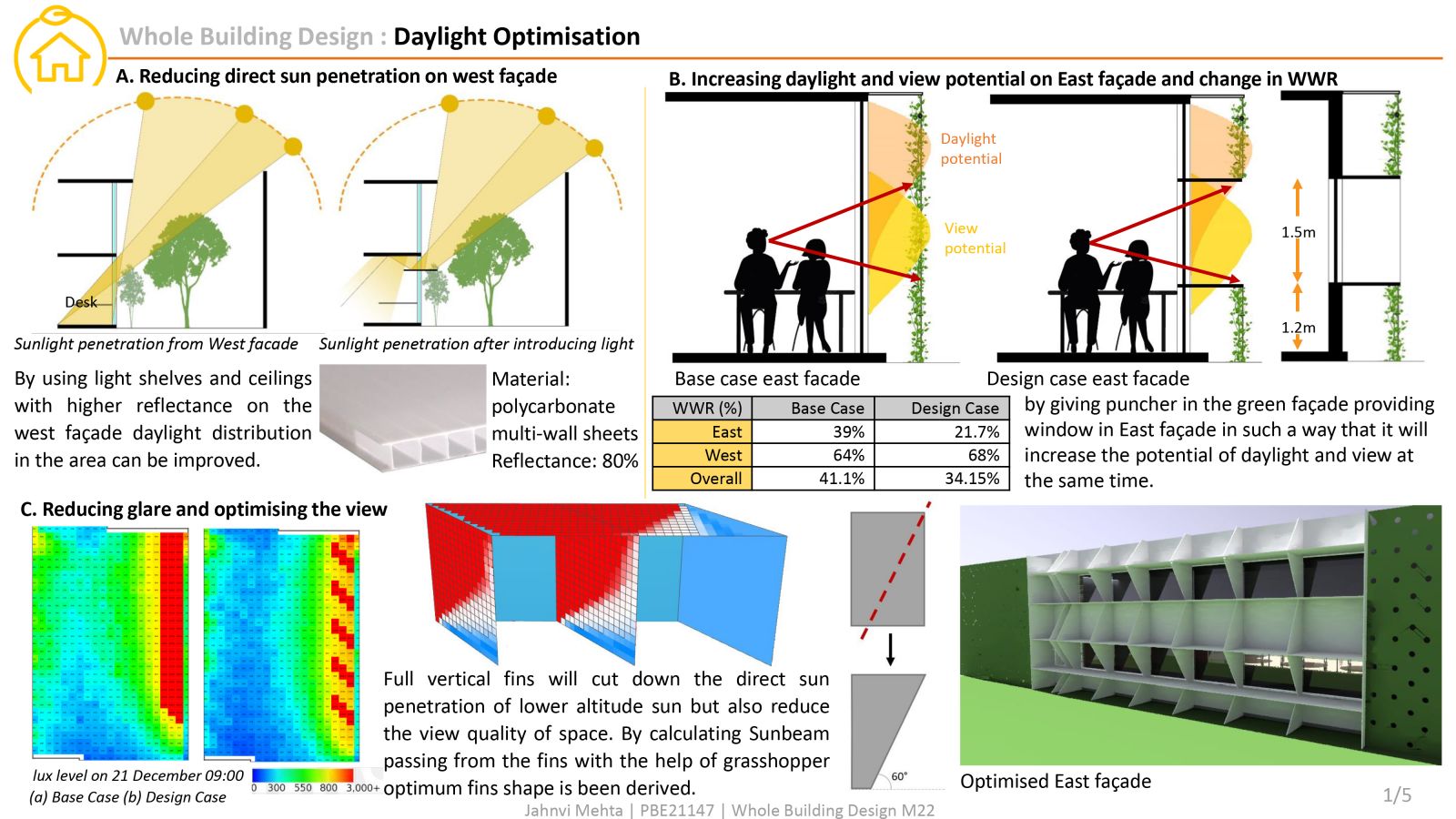
In the current architectural landscape, the importance of daylight analysis has achieved unprecedented recognition. While designers strive to create spaces that not only meet functional requirements but also enhance the well-being of occupants, understanding how natural light works with built environments has become increasingly essential. Daylight Analysis Yeovil Somerset is not just a technical request; it is a comprehensive consideration that merges science with artistry, guaranteeing that our buildings harmonize with the rhythm of nature. This approach empowers architects to optimize designs for energy efficiency, visual comfort, and sustainability.
Exploring innovative methods in daylight analysis can profoundly impact various areas within architecture and urban planning. From improving energy performance in commercial buildings to contributing to LEED certification and enhancing biophilic design, the applications are extensive. As we delve into the key concepts, tools, and techniques used in daylight analysis, we aim to equip architects with thorough insights that will inspire them to integrate natural light harmoniously into their designs. By understanding the intricate balance between light, heat, and acoustic performance, architects can create healthier, greener spaces for both individuals and communities.
### Comprehending Sunlight Assessment
Sunlight analysis is a vital aspect of structural design that focuses on the evaluation of daylight within constructed environments. By understanding how natural light interacts with different architectural elements, architects can optimize lighting conditions to increase comfort, minimize energy consumption, and promote well-being. This evaluation involves evaluating factors such as natural light availability, spread, and potential brightness issues, providing insightful insights for designing spaces that efficiently utilize natural light.
The process of sunlight evaluation typically utilizes different methods and tools to emulate sunlight and assess its effect throughout different times of the day and year . Architects can employ technologies such as ray tracing and climate-based daylight modeling to illustrate how light infiltrates and illuminates interior spaces. These simulations help identify ideal window placements, shading strategies , and material selections that enhance daylighting while lowering unwanted glare and excess heat.
Incorporating natural light assessment into the design process not only contributes to design quality but also encourages eco-friendly building practices. Enhanced daylighting can lead to significant reductions in man-made lighting needs, decreasing energy costs and carbon footprints. As architects increasingly emphasize sustainability and occupant health, comprehending the principles of daylight assessment becomes crucial for creating spaces that are simultaneously sustainably friendly and conducive to personal comfort.
Tools and Techniques for Daylight Simulation
Natural light simulation is an essential component in comprehending how daylight interacts with built environments. Various software tools have been developed to assist architects in representing and analyzing daylight performance. Tools like the application are noted for their precision in rendering realistic lighting conditions, offering in-depth evaluations including daylight factors and glare assessments. This tool and the platform are user-friendly platforms that provide quick simulations while integrating effortlessly with design workflows, making them perfect for contemporary architectural practices.
In furthermore to software, several techniques enhance the effectiveness of daylight analysis. Techniques such as climate-based daylight modeling provide knowledge into how designs perform under distinct climatic conditions throughout the year. This method goes further than traditional daylight factors, allowing architects to evaluate visual comfort and energy efficiency. Using tangible models in conjunction with simulation software can also promote a more clear understanding of the distribution of light and shading impacts in a given space.
Additionally, maintaining a integrative approach in daylight analysis involves consideration of urban context and building orientation. Effective use of light shelves, dynamic shading systems, and thoughtfully selected glazing can significantly improve daylight penetration while reducing glare. By integrating these tools and techniques early in the design process, architects can ensure a balanced balance between daylight, thermal comfort, and energy efficiency, ultimately resulting in healthier built environments.
Applications and Advantages of Natural Light Analysis
Daylight analysis is increasingly applied in diverse architectural contexts, substantially augmenting the design approach. By integrating daylight assessment throughout the early design stage, architects can enhance light penetration and overall building effectiveness. This forward-thinking method allows for the design of spaces that utilize natural light efficiently, minimizing reliance on synthetic lighting while creating an welcoming atmosphere. The result is a design that not just fulfills visual requirements and also meets energy efficiency and sustainability targets.
One major advantage of daylight assessment is its influence on occupant comfort. Buildings constructed with thoughtful consideration of daylight access not only enhance visual comfort and also contribute to the overall quality of life of occupants. For instance, in educational contexts, classrooms bathed with natural light can enhance concentration and learning performance for students. Similarly, healthcare settings that focus on daylight access have been demonstrated to promote healing and health among patients, making sunlight an essential element of therapeutic environments.
Moreover, daylight assessment supports adherence with sustainability standards such as LEED and BREEAM. By confirming that buildings achieve specified daylight performance metrics, architects can enhance the environmental credibility of their projects. This focus on sustainable design not only helps the environment but also offers long-term economic advantages through reduced energy costs and augmented property worth. As https://pena-patterson-4.blogbright.net/natural-light-behavior-analyzing-light-and-space for greener buildings grows, the incorporation of daylight assessment into common architectural approaches becomes crucial for innovative structures.